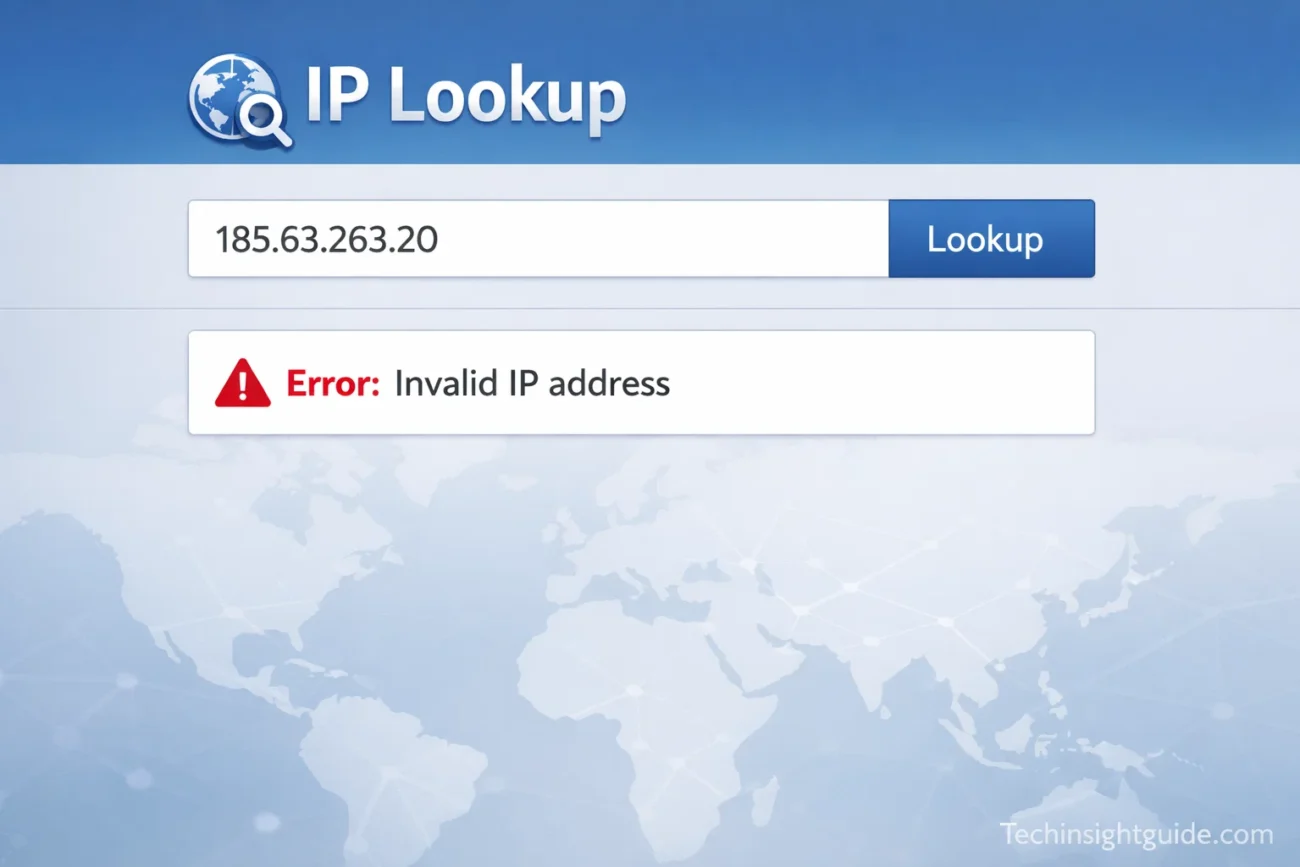
In today’s digital age, understanding IP addresses is essential for anyone using the internet. Whether you’re a tech enthusiast or a casual user, knowing how these numbers work can help you navigate the online world with greater ease. This article will explore everything you need to know about the IP address 185.63.263.20, which, at first glance, may seem like a typical IPv4 address. However, there’s much more to it than meets the eye. In this article, we will dive deep into what an IP address is, why 185.63.263.20 stands out, and what you should know about invalid IP addresses.
What is an IP Address?
An IP address (Internet Protocol address) is a unique identifier assigned to each device connected to the internet or a local network. Think of it like a phone number or a street address, but for computers and other devices on the internet. Just like how each phone needs a number to make calls, each device needs an IP address to communicate over the web.
There are two types of IP addresses: IPv4 and IPv6. IPv4 addresses are the most commonly used and consist of four sets of numbers ranging from 0 to 255. For example, 192.168.0.1 is a valid IPv4 address. These four sets of numbers are known as octets, with each one separated by a period.
IP addresses help route internet traffic to the correct destinations. They ensure that data sent across the internet reaches the right device, whether it’s a website, email, or file transfer. Without IP addresses, online communication would be chaotic and inefficient.
The Structure of IPv4 Addresses
IPv4 addresses, such as 185.63.263.20, follow a specific format that is crucial for their functionality. Each address consists of four numbers, and each number must be between 0 and 255. This is because an octet, or one of the four numbers in the address, is an 8-bit value, meaning it can hold a number between 0 and 255.
If you break down an IPv4 address, you get a clearer picture:
- The first number represents the network part of the address.
- The second number adds to the network identification.
- The third and fourth numbers typically refer to the host or device connected to the network.
In the case of 185.63.263.20, the format seems correct at first glance, but as you dig deeper, it becomes clear that it doesn’t meet the requirements for a valid IP address due to the “263” in the third position. This is a critical error because the maximum allowed value for any octet is 255, and 263 exceeds that limit.
Why 185.63.263.20 Is Not a Valid IP Address
One of the main reasons 185.63.263.20 is invalid is because 263 is outside the acceptable range for an octet. In an IPv4 address, each octet must be a number between 0 and 255, so any number above 255, such as 263, automatically renders the address invalid. This violation of the basic structure rules of IP addresses makes it impossible for 185.63.263.20 to function as a valid address.
Invalid IP addresses like 185.63.263.20 are not recognized by routers or the broader internet infrastructure. This means that it cannot be used for online communication, and devices cannot be assigned this number for network purposes. Any attempts to use this address in a network setup or web lookup will result in errors or failures.
However, 185.63.263.20 may still appear in logs, reports, or automated systems due to typographical errors, faulty software, or bots generating malformed IP addresses. While these instances may seem unusual, they are simply data anomalies or mistakes, not real, active IP addresses.
How Invalid IP Addresses Appear Online
While 185.63.263.20 is invalid, you might still encounter it in various contexts online. Here are a few reasons why:
- Typographical errors: When typing an IP address, a small mistake like entering “263” instead of “253” can result in an invalid IP.
- Bot activity: Automated bots, crawlers, and scripts that scan the web may generate malformed or incorrect IP addresses, which may show up in logs or security systems.
- Log and report issues: Sometimes, system logs and error reports may record invalid IP addresses due to misconfigurations or bugs in network systems or monitoring tools.
When these mistakes happen, it’s important to differentiate between a real, functioning IP address and a random or invalid one. Tools like IP lookups and geolocation services won’t be able to provide accurate results for 185.63.263.20 due to its invalid nature.
The Role of IP Lookup Tools
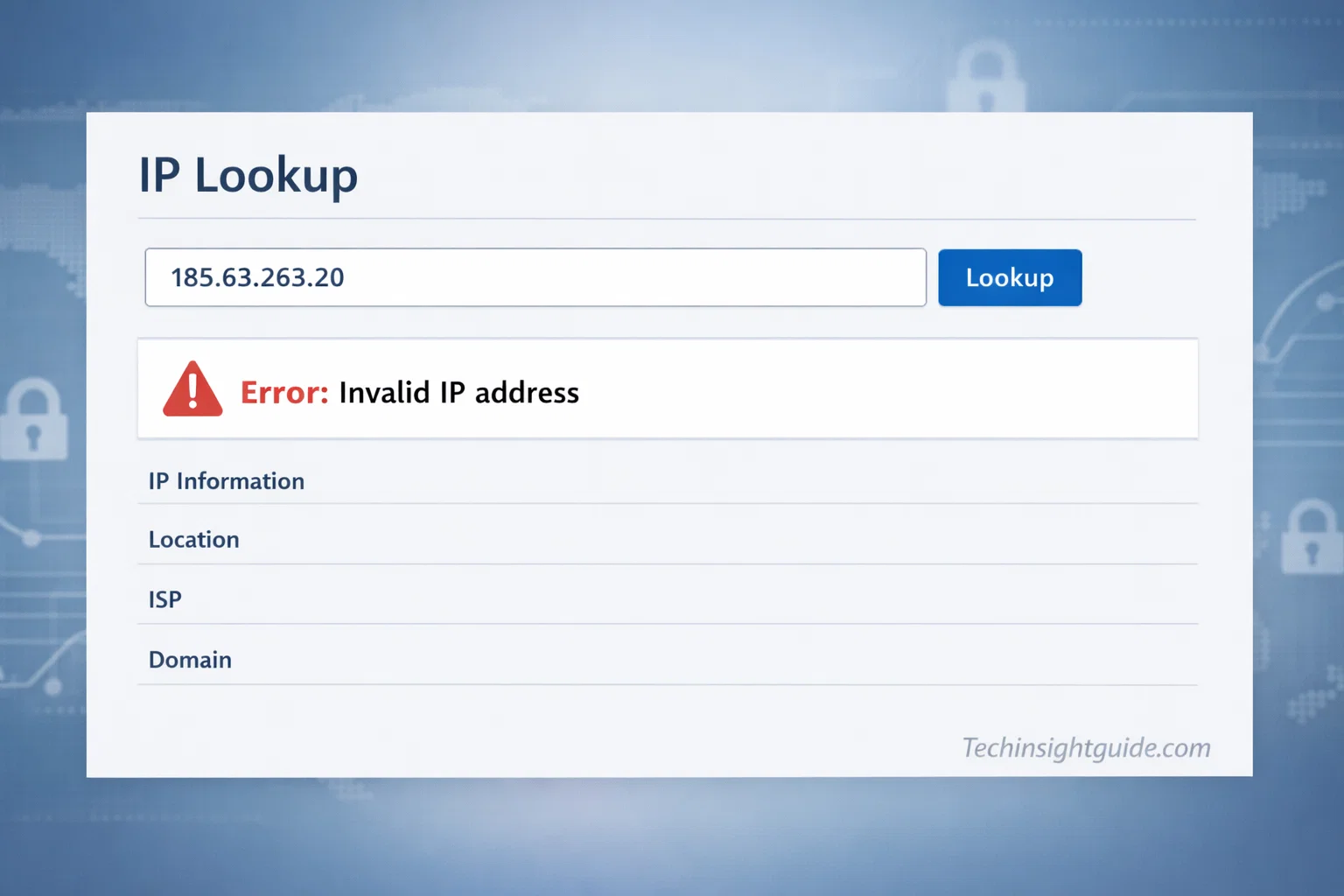
IP lookup tools are designed to provide detailed information about valid IP addresses. By entering an IP address into one of these tools, users can learn about the geographical location, the internet service provider (ISP), and even the specific device or host associated with the address. These tools are valuable for troubleshooting network issues, identifying the source of internet traffic, and even blocking malicious users.
However, when trying to look up 185.63.263.20, these tools will likely produce an error or fail to return any useful information. Since the address is invalid, there is no actual location, ISP, or hostname associated with it. This further emphasizes the point that 185.63.263.20 cannot function as a valid IP address in the real world of internet routing.
Despite this, IP lookup tools continue to be essential for network administrators, cybersecurity professionals, and anyone involved in managing internet traffic. They can provide insights into how traffic flows across the web, how websites are accessed, and even how attackers attempt to infiltrate systems.
Security Implications of Invalid IP Addresses
Invalid IP addresses like 185.63.263.20 often appear in the context of security logs. They can be a sign of suspicious activity, such as failed login attempts, scanning activities, or other potential threats. While this particular IP address isn’t inherently harmful, security systems sometimes flag any unusual or malformed addresses as potential threats.
For example, network administrators might see 185.63.263.20 in their logs and wonder if it’s part of an attack. This could be due to the address appearing out of place or being associated with automated tools trying to gain unauthorized access. However, as we’ve established, 185.63.263.20 is just an invalid IP with no real endpoint.
Security experts must be cautious when interpreting malformed IP addresses. Often, bots or automated systems generate these addresses during reconnaissance scans. The presence of an invalid IP in a log file doesn’t necessarily mean a cyberattack, but it could be an indication of abnormal behavior that warrants further investigation.
The Impact of Invalid IPs on Network Performance
While 185.63.263.20 is not a threat, the appearance of invalid IPs can still cause problems in network systems. Network administrators rely on accurate IP address information to configure firewalls, block malicious traffic, and monitor network performance. Invalid IP addresses can interfere with these processes, making it harder to track legitimate network activities.
When invalid IPs appear in logs or traffic data, they can cause confusion and may require extra time to resolve. This is why network systems and security tools must be configured to handle invalid data properly. Any misinterpretation of these IPs could lead to unnecessary alarms or missed threats.
This is also why it’s important to use robust IP validation tools in your systems to ensure that the addresses being used in network configurations are correct and valid. Taking the extra step to verify addresses can help prevent errors and enhance overall network performance.
Common Misconceptions About Malformed IPs
There are several common misconceptions about malformed or invalid IP addresses, such as 185.63.263.20, that need to be cleared up:
- People often assume invalid IPs are malicious: Just because an IP address is invalid doesn’t mean it’s part of a cyberattack. It could be due to an error, bot activity, or faulty logging.
- Misunderstanding of IP formats: Many users don’t fully understand the structure of IP addresses and may think a random string like 185.63.263.20 is a valid address, when it’s not.
- Assumption that invalid IPs can still be traced: Since 185.63.263.20 is invalid, no accurate trace information can be found. Misleading information can lead to confusion in geolocation or security analysis.
Recognizing these common mistakes can help you avoid confusion and make better decisions when interpreting IP-related data in your systems.
The Future of IP Addressing
As we move further into the digital age, the demand for unique IP addresses continues to grow. IPv4 addresses, like 185.63.263.20, are limited in number, which has led to the introduction of IPv6. IPv6 provides a much larger pool of addresses, ensuring that we don’t run out of unique identifiers for devices.
While IPv6 solves many of the limitations of IPv4, understanding the differences between the two types of addresses is essential. IPv6 addresses are much longer and more complex than IPv4 addresses, but they share the same core function: identifying devices on a network.
As we continue to adopt IPv6 and improve internet infrastructure, issues with invalid IP addresses will become less common. However, the importance of accurate IP addressing will remain crucial for secure, reliable internet communication.
Read More: Explore DigitalConnectMag.com: Your Ultimate Tech Guide
Conclusion
The invalid IP address 185.63.263.20 serves as a great reminder of the complexity behind the numbers we rely on for internet communication. While it may look like a normal IP address, it is a simple mistake that highlights how critical it is to adhere to the proper formatting rules.
By understanding the structure of IP addresses and recognizing the importance of accurate routing, we can all become more informed internet users. Whether you’re a network administrator or just someone curious about how the internet works, knowing what makes an IP address valid or invalid can help you troubleshoot problems, enhance security, and optimize network performance.
So next time you come across an IP address that doesn’t quite look right, remember: It might be as simple as an error or as complex as a bot trying to gain access. Either way, understanding the basics of IP addressing will help you stay ahead in today’s digital world.
