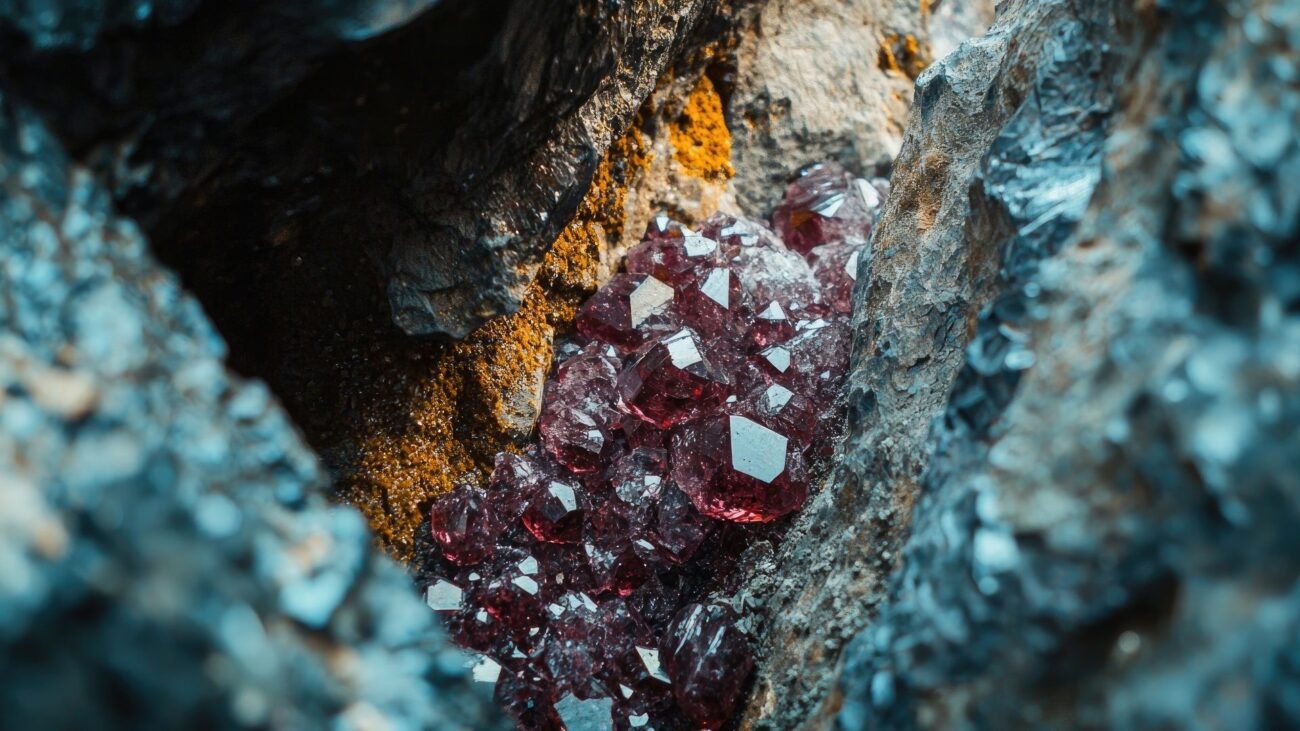
The world of gemstones is filled with wonder, mystery, and breathtaking beauty. Much like a sudden sugar rush that delivers an instant burst of excitement, rare gemstones captivate collectors and enthusiasts with their dazzling colors, brilliant sparkle, and extraordinary value. These natural treasures are formed deep within the Earth under intense heat and pressure, often taking millions of years to develop. Their rarity, combined with unique physical properties and cultural significance, makes them some of the most prized possessions on the planet. Beyond their monetary worth, rare gemstones tell fascinating geological stories and symbolize humanity’s enduring fascination with nature’s hidden masterpieces.
Gemstones are created through complex geological processes that occur far beneath the Earth’s surface. Minerals crystallize when exposed to specific combinations of temperature, pressure, and chemical elements. Over time, tectonic movements push these crystals closer to the surface, where they can eventually be discovered. However, the precise conditions required for certain gemstones are extremely uncommon. Even a slight variation in mineral composition or environmental factors can prevent their formation. This delicate balance explains why some gemstones are found only in a few remote Sugar Rush locations worldwide, increasing both their mystique and their value.
Among the rarest and most valuable gemstones is Pink Star Diamond, a stunning example of nature’s ability to create perfection. Diamonds themselves are formed from carbon subjected to immense pressure deep within the Earth’s mantle, but colored diamonds are exceptionally unusual. Their hues result from trace elements or structural irregularities during formation. The Pink Star Diamond’s vivid color, clarity, and size make it one of the most expensive gemstones ever sold. Such diamonds are so scarce that only a tiny fraction of mined stones qualify as truly exceptional specimens.
Equally mesmerizing is Jadeite, a gemstone treasured for centuries in many Asian cultures. Unlike common jade, jadeite of the highest quality possesses a rich, translucent emerald-green color that appears almost luminous. This gemstone forms under high-pressure metamorphic conditions, making fine specimens extremely rare. The most valuable jadeite is often referred to as “imperial jade” and has historically been associated with nobility, spirituality, and protection. Its smooth texture and vibrant appearance make it highly desirable for carvings and jewelry, sometimes commanding prices higher than diamonds.
Another exceptional gemstone is Painite, once recognized as the rarest mineral gemstone in the world. Discovered in the 1950s, only a few crystals were known to exist for decades. Painite forms through an unusual combination of elements, including boron and zirconium, under very specific geological conditions. Its reddish-brown hue may appear modest compared to more colorful stones, but its rarity makes it extraordinarily valuable. Although more deposits have been found in recent years, high-quality painite remains extremely difficult to obtain.
The captivating blue glow of Benitoite also earns it a place among the rarest gems. Found primarily in a small region of California, benitoite displays a brilliant sapphire-like color with remarkable fire and dispersion. It forms in unique hydrothermal conditions involving barium and titanium—an unusual chemical pairing that rarely occurs in nature. Because of its limited geographic origin, gem-quality benitoite is highly sought after by collectors who value both its beauty and exclusivity.
Equally fascinating is Alexandrite, famous for its magical color-changing ability. Under daylight, alexandrite appears green or bluish-green, but under incandescent light, it shifts to reddish-purple. This optical phenomenon occurs due to the way the stone absorbs and reflects different wavelengths of light. Alexandrite forms in rare geological environments rich in beryllium and chromium—elements that seldom occur together. Fine-quality stones with strong color transitions are exceptionally rare, making alexandrite one of the most valuable gemstones per carat.
The scarcity of these gemstones is influenced not only by geological rarity but also by limited mining opportunities. Many deposits are located in remote or environmentally sensitive regions where extraction is difficult and tightly regulated. Mining rare gemstones requires significant investment, advanced technology, and careful environmental management. As deposits become depleted over time, finding new sources becomes increasingly challenging, further driving up market value.
Historical and cultural significance also enhances gemstone value. For centuries, rare gemstones have symbolized power, wealth, and spiritual protection. Royal families adorned crowns, scepters, and ceremonial garments with extraordinary stones to display authority and prestige. Ancient civilizations believed certain gems held mystical properties capable of bringing luck, health, or protection from harm. Today, these cultural associations continue to influence demand, especially for stones linked to heritage and tradition.
Market dynamics play a major role in determining gemstone value. Factors such as color intensity, clarity, size, cut quality, and overall rarity influence pricing. A slight improvement in color saturation or transparency can dramatically increase a gem’s worth. Additionally, collector interest and auction visibility can elevate certain stones to legendary status. When a rare gemstone appears at a major international auction, competitive bidding often pushes prices to astonishing levels, reflecting both scarcity and global fascination.
Technological advancements have improved gemstone identification and authentication, ensuring that rare specimens are accurately evaluated. Laboratories use spectroscopy, microscopy, and chemical analysis to determine origin and authenticity. These methods protect buyers from imitations while preserving trust in the gemstone market. Because synthetic alternatives can mimic natural stones, verified natural gems carry significantly greater value.
Beyond financial worth, rare gemstones inspire awe through their natural artistry. Their colors, patterns, and optical effects demonstrate the creative power of geological forces operating over vast timescales. Each stone represents a unique natural history shaped by pressure, temperature, and elemental chemistry. This sense of uniqueness creates emotional connections for collectors and admirers who appreciate both scientific wonder and aesthetic beauty.
In conclusion, the rarest gemstones of the world create a “sugar rush” of excitement through their brilliance, scarcity, and extraordinary value. Formed through precise geological conditions over millions of years, these stones are among Earth’s most remarkable creations. Their rarity results from unusual mineral combinations, limited geographic sources, and challenging extraction processes. Their value is amplified by cultural symbolism, collector demand, and unmatched natural beauty. As long as humanity continues to admire nature’s finest treasures, these exceptional gemstones will remain timeless symbols of luxury, mystery, and the dazzling artistry hidden beneath our planet’s surface.
