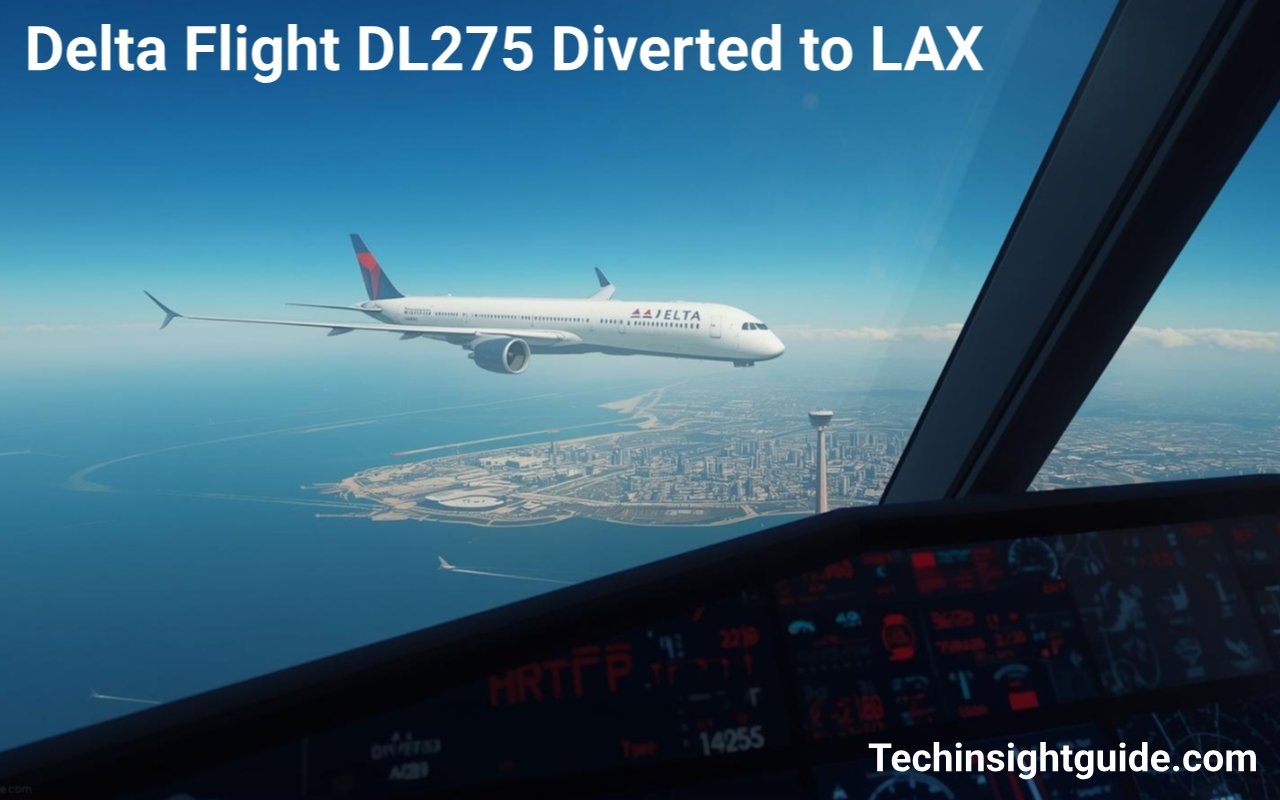
Delta Flight DL275 was a long-haul international flight flying from Detroit Metropolitan Wayne County Airport (DTW) to Tokyo Haneda Airport (HND), but its journey did not go as planned. The Airbus A350 aircraft, which is known for its modern amenities and impressive performance, was diverted to Los Angeles International Airport (LAX) after a technical issue was detected mid-air. This unexpected diversion made headlines, leaving many people curious about why the flight, which was only a few hours into its journey, needed to turn around.
In this article, we will explore the details of the Delta Flight DL275 diversion, shedding light on the cause of the issue, the flight’s path, and the passenger experience during this unexpected turn of events. Through this detailed exploration, we will also understand how such diversions fit into the broader context of aviation safety protocols and passenger safety.
From the cause of the diversion to what happened afterward, we’ll cover every aspect of this story, including the Delta flight’s impact on its passengers and how it reflects the airline’s commitment to safety. So let’s dive deeper into the events surrounding Delta Flight DL275’s diversion to LAX.
What Happened on Delta Flight DL275?
On a normal day, Delta Flight DL275 is a direct long-haul route connecting Detroit, Michigan to Tokyo, Japan. Passengers board the flight, expecting an 11-12 hour journey across the Pacific Ocean, but something unexpected occurred mid-flight. About five hours into the journey, the aircraft, a Delta Airbus A350-900, was forced to change its flight path and divert to Los Angeles instead of continuing on to Tokyo.
While such diversions are not a daily occurrence, they do happen for various reasons, usually involving aircraft system issues. For this particular flight, the primary cause was a malfunction in the engine anti-ice system. This system, essential for protecting the aircraft’s engines from the build-up of ice during high-altitude flights, had shown signs of malfunctioning, which raised serious safety concerns.
The decision to divert the flight was made by the flight crew, who, following standard procedures, chose LAX as the safest option. This choice was not arbitrary, as LAX is one of the largest and most equipped international airports in the world, with all the necessary technical resources to handle such situations. The aircraft landed safely, with no injuries or major complications reported, but it certainly was a surprising turn for the passengers and everyone involved.
Why Did the Flight Divert to LAX?
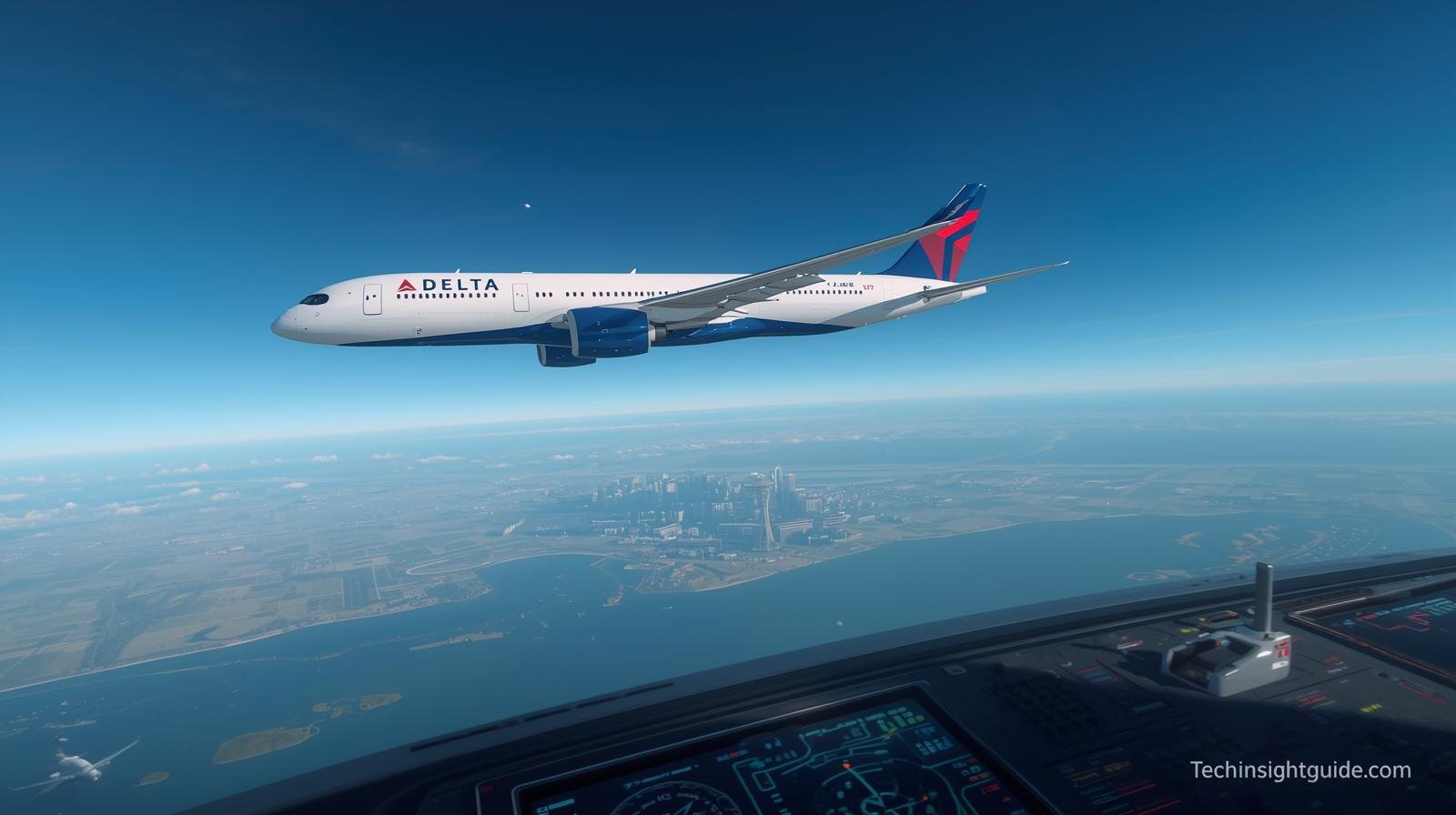
Delta Flight DL275 diverted to Los Angeles International Airport (LAX) primarily due to a technical issue involving the engine anti-ice system. While flying at a high altitude, the aircraft’s crew noticed abnormal readings, indicating potential risks to the engines due to ice build-up. In aviation, even minor issues with essential systems like anti-ice systems can trigger an immediate response from the flight crew, leading to precautionary measures such as a flight diversion.
When a mechanical malfunction occurs, the safety of passengers and crew is the top priority. It is a standard operating procedure for pilots to act on such warnings, ensuring that the aircraft gets diverted to a location with the necessary resources for inspection and repair. Given the nature of this specific malfunction, the decision to divert to LAX made the most sense, as the airport is home to Delta’s technical teams and has facilities to accommodate large aircraft like the A350.
Additionally, the airplane was over the Pacific Ocean at the time of the diversion, and Anchorage or Seattle could have been closer landing options. However, LAX was still the best choice due to its large international airport status, which could handle a wide-body aircraft with ease. Moreover, LAX is home to several Delta maintenance facilities, which made it easier for the airline to inspect the aircraft immediately upon landing.
The Flight’s Unexpected Path: A Five-Hour Detour
Delta Flight DL275 initially took off from Detroit Metropolitan Airport bound for Tokyo Haneda Airport, but after five hours of flying, the aircraft was suddenly rerouted toward Los Angeles. This shift in direction, while unusual, shows how even long-haul flights can quickly change course due to technical issues.
When the flight was diverted, the aircraft had already crossed into Canadian airspace, and from there, it began a five-hour detour back toward Southern California. The flight’s path was carefully managed by air traffic control to ensure safety. Diversions like this are made under tight guidance to ensure that the aircraft stays within range of available airports, ensuring safe landings for everyone on board.
The aircraft eventually landed at LAX, where Delta crews were on standby to inspect the issue and prepare for any necessary repairs. The detour was a significant deviation from the original route, but it was handled professionally, with the crew’s primary focus on keeping everyone safe and informed during the event.
Aviation Protocols: Why Diverting Is Necessary
Flight diversions, such as Delta Flight DL275’s incident, are essential safety measures designed to prioritize the well-being of passengers and crew. Aviation has a strict set of safety protocols that flight crews follow in the event of mechanical malfunctions or other potential risks.
In this case, the engine anti-ice system malfunction required immediate attention. Even though the aircraft was able to continue flying, the aircraft crew made the decision to divert to LAX to ensure the safety of everyone on board. If the system had completely failed while in mid-flight, it could have affected the engines, possibly leading to a more dangerous situation.
Pilots and airline crews undergo extensive training to handle such emergency situations, and their training is put to the test during incidents like these. The choice to divert to LAX was not random. It was the result of careful assessment of the aircraft’s condition, the available airports, and the safest possible landing options. Safety-first protocols in aviation always take priority over convenience, and the diversion was an example of how airlines put passenger safety above all else.
Passenger Experience: What Happened After the Diversion?
When the aircraft landed safely at Los Angeles International Airport, the passengers were understandably surprised and a bit anxious. As the flight crew informed passengers of the technical issue, they reassured them that everything was under control, and they would be provided with the necessary assistance upon landing.
Delta, known for its excellent customer service, took immediate steps to ensure passengers were taken care of after the unexpected diversion. Passengers were provided with meals, accommodation, and updated travel plans. Those who were supposed to reach Tokyo were later rebooked on connecting flights to their final destination.
The airline also handled the communication with passengers with transparency. Updates on the situation were shared regularly, both onboard and after the flight had landed. This level of service and support helped passengers feel more at ease, despite the inconvenience caused by the diversion. Delta’s quick response is a prime example of how airlines handle unexpected diversions and manage passenger satisfaction.
What Caused the Technical Malfunction?
The specific cause of the technical malfunction that led to the diversion of Delta Flight DL275 was traced to an issue with the engine anti-ice system. This system is crucial for aircraft flying at high altitudes, especially in colder regions like the northern Pacific. If the system fails, ice can form on the engines, which can affect performance, leading to safety risks.
The malfunction, though relatively minor, was enough to raise concerns, and the flight crew made the decision to divert to LAX to ensure the safety of the flight. Delta’s team of engineers began the process of inspecting and repairing the system after the plane landed, ensuring that it was safe for future flights.
The airline’s immediate response highlights the importance of having robust maintenance and technical teams in place to handle such situations. The problem was addressed quickly, with the necessary inspections and repairs carried out on the ground, allowing the aircraft to return to service once everything was confirmed to be in working order.
LAX: A Major Hub for Delta’s Operations
Los Angeles International Airport (LAX) is one of the busiest airports in the world and an essential hub for Delta Air Lines. With Delta’s major operations at LAX, the airport was the logical choice for a diversion. LAX is well-equipped to handle large international aircraft, and it has the necessary infrastructure to manage emergency diversions like Flight DL275.
After the diversion to LAX, the Delta maintenance team worked with the airport’s technical support staff to perform a detailed inspection of the aircraft. The proximity of these facilities made LAX the ideal destination for a diversion, allowing the aircraft to undergo the necessary checks while minimizing delays for passengers.
LAX’s reputation as a global aviation hub with significant resources made it the right choice for Delta. It is home to many Delta facilities, including maintenance and engineering teams, which makes it one of the best places for emergency response.
The Impact of the Diversion on Delta’s Operations
The diversion of Delta Flight DL275 to LAX did have a temporary impact on the airline’s operations, but Delta handled the situation smoothly. Despite the inconvenience caused to the passengers, the airline’s swift actions and clear communication meant that the disruption was minimal.
Delta’s operations were not severely affected overall, and the diversion did not lead to any long-term delays or cancellations. The airline’s proactive customer service ensured that passengers were rebooked, given accommodations, and provided with travel updates, all of which helped mitigate the impact of the incident.
The Importance of Diversion Decisions in Aviation Safety
Aviation safety protocols prioritize the well-being of everyone on board. The decision to divert Delta Flight DL275 to LAX was made with the safety of passengers in mind. In situations where aircraft systems fail, diverting to a nearby, well-equipped airport is often the safest and most practical decision.
By diverting to LAX, Delta was able to ensure that the aircraft received the necessary technical support and inspection, preventing further issues. The crew’s actions reflect the rigorous training and decision-making skills that pilots and aviation professionals undergo to make safety-focused decisions during high-pressure situations.
Read More: Power Supply Calculator Guide: Find the Perfect PSU for Your PC
Conclusion: What We Can Learn from Delta Flight DL275
Delta Flight DL275’s diversion to LAX serves as a powerful reminder of the importance of safety-first protocols in aviation. The incident highlights how airlines like Delta are prepared to act swiftly when safety issues arise, ensuring that passengers are always put first.
From the technical malfunction to the prompt action of the flight crew, Delta’s response was exemplary. Passengers were provided with the support and assistance they needed, while the airline’s operational efficiency was maintained throughout the ordeal.
In the end, safety and clear communication were the key factors that allowed this diversion to be handled smoothly. Whether you’re a frequent flyer or a first-time traveler, this incident emphasizes the critical role that safety plays in aviation.
