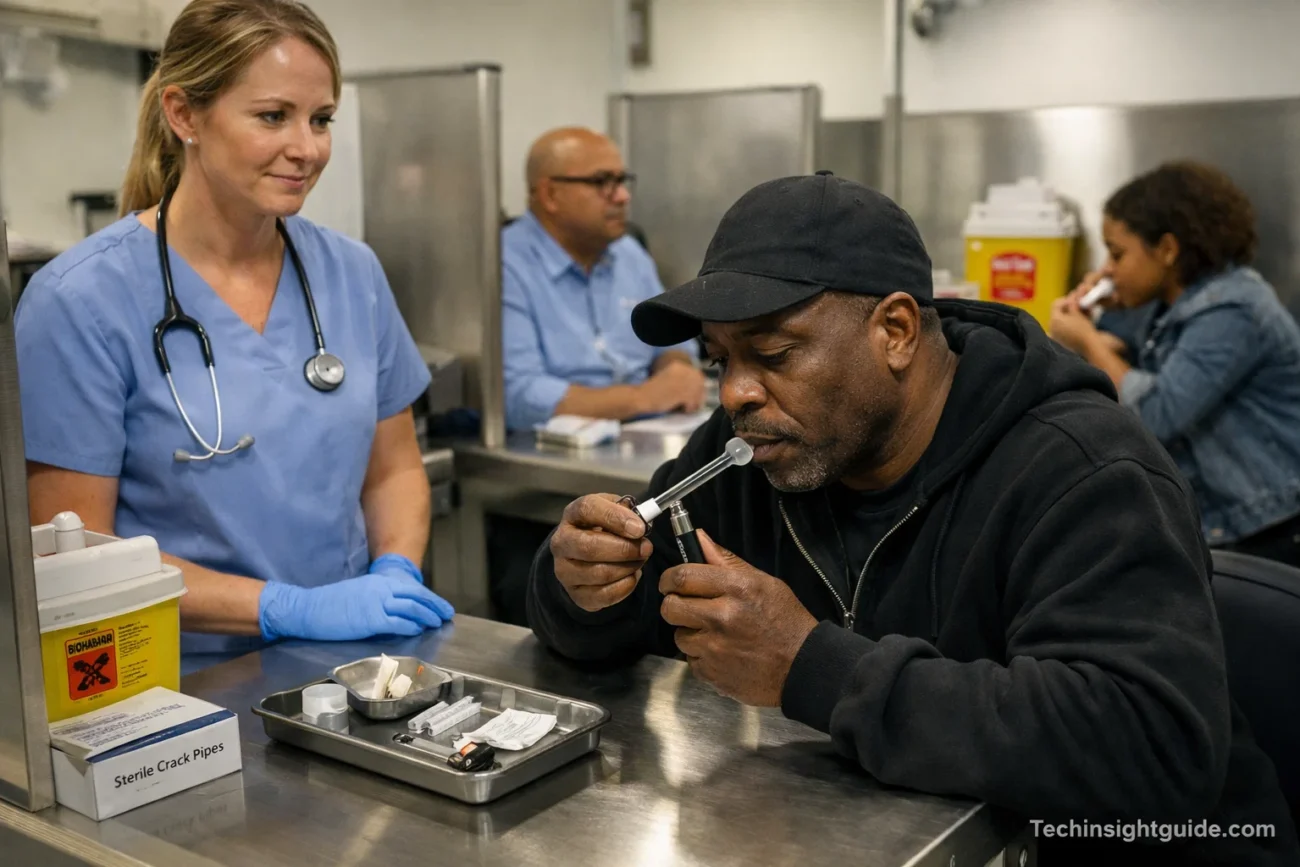
In recent years, harm reduction has become a cornerstone of progressive public health strategies. The primary goal of harm reduction is to minimize the negative consequences of drug use, rather than insisting on complete abstinence. This approach has proven effective in addressing the complexities of substance use, improving the health and well-being of those involved. Among the various forms of harm reduction, crackstubes—spaces where people can smoke crack cocaine in a safe and supervised environment—have emerged as a vital tool in managing the risks associated with crack cocaine use.
While the term “crackstube” may not be officially recognized in global medical texts, it is widely used informally in Europe to describe supervised smoking facilities for crack users. These spaces aim to provide a clean, controlled environment where individuals can smoke crack in a safer way, reducing the risk of disease transmission, overdose, and other health complications. In this article, we will explore what crackstubes are, their purpose, and their role in harm reduction efforts worldwide. We’ll also discuss the benefits of these facilities, address the controversies they raise, and examine the legal and ethical challenges they face.
What is a Crackstube?
A crackstube can be best described as a supervised smoking facility where individuals who use crack cocaine can consume the substance in a controlled and hygienic setting. These spaces are typically part of a broader network of supervised consumption rooms, where people can engage in their drug use under medical supervision and with access to clean equipment. Though the term “crackstube” may not appear in scientific journals, it is frequently used in some European countries—especially Germany and Switzerland—as a colloquial reference to these safe spaces for drug use.
The Core Purpose of Crackstubes
The main goal of a crackstube is to reduce the harm associated with crack cocaine use. People who smoke crack often do so with makeshift equipment, increasing the risk of mouth injuries, burns, and infections. By providing a clean environment and access to sterile pipes and equipment, crackstubes help eliminate the risk of injury and the transmission of diseases such as hepatitis C and HIV. Additionally, these facilities help prevent unsafe drug use in public spaces, creating a safer environment for both the users and the general public.
In a supervised setting, individuals can also avoid overdosing by using drugs in a controlled manner, under the watchful eye of medical staff trained to recognize the signs of an overdose. This supervision allows for immediate intervention in case of an emergency, potentially saving lives.
The Role of Supervision
One of the most important aspects of a crackstube is the presence of trained staff members who supervise users during their consumption. These staff members are typically medical professionals, addiction counselors, or social workers who are there to ensure that users are safe and have access to help if needed. They also provide essential emotional support and guidance, helping users feel safe and respected.
The presence of trained staff helps ensure that emergency medical services are readily available if an overdose occurs. Additionally, staff can connect users to support services, such as counseling or rehabilitation programs, if they choose to seek help in overcoming addiction.
The Role of Harm Reduction in Drug Policy
Harm reduction is a public health approach that emphasizes reducing the negative consequences of drug use, rather than focusing on complete abstinence. This model acknowledges that drug use is a complex issue, and that simply telling people to stop using drugs is not always an effective strategy. Instead, harm reduction seeks to meet individuals where they are, offering them the tools and support they need to reduce harm and improve their quality of life.
Crackstubes are a perfect example of harm reduction in action. They provide a safe, supervised space where people who use crack cocaine can do so in a way that minimizes the risks associated with drug use. This approach helps mitigate the harms of crack use, while also offering a pathway to support services and addiction treatment for those who wish to stop using drugs.
The Emergence of Harm Reduction Models
Over the past few decades, harm reduction models have gained significant traction in countries like Canada, Switzerland, Germany, and the Netherlands. In these countries, supervised consumption rooms have been established to provide a safe and regulated space for people to use drugs under medical supervision. These programs have been shown to reduce public drug use, improve public health outcomes, and connect users with treatment services.
Crackstubes are an extension of this harm reduction philosophy. By providing designated spaces for crack users to smoke in a safe and supervised environment, these facilities help reduce the health risks associated with crack cocaine use, while also providing connections to addiction services for those who are ready to seek help.
Benefits Beyond Safety
Crackstubes and other supervised consumption facilities offer more than just safety from physical harm. These spaces also serve as a bridge to healthcare for people who may not otherwise seek medical help. Many individuals who use crack cocaine also struggle with mental health issues, homelessness, and social isolation. By providing a safe space for people to use drugs, crackstubes help to reduce stigma and increase access to healthcare services, including mental health support and addiction treatment.
How Crackstubes Operate: Inside a Supervised Consumption Facility
While every supervised consumption facility is different, most share several core features that make them safe and effective spaces for crack cocaine users. Crackstubes are typically operated by public health organizations or non-governmental organizations that work in partnership with local governments to ensure that the facilities are regulated and run according to health and safety standards.
Clean Equipment and Controlled Environment
One of the primary benefits of a crackstube is that it provides individuals with clean equipment to use. Many people who use crack cocaine do so with improvised tools, such as broken glass pipes or makeshift tubing, which can lead to injuries, infections, and the spread of diseases. In a crackstube, users are provided with sterile pipes, mouthpieces, and other necessary equipment to minimize these risks.
The facility itself is designed to be a clean, comfortable, and safe environment where individuals can smoke crack without the fear of contamination or physical harm. The space is typically equipped with ventilation systems to ensure that the air quality is safe for users, and the interiors are often designed to feel like a private, dignified space.
Staff Support and Supervision
At a crackstube, there is always staff supervision to ensure that users are safe during their time in the facility. The staff members are typically medical professionals, such as nurses, doctors, or addiction counselors, who are trained to handle emergencies, such as overdose situations. They are also there to offer emotional support and encourage individuals to seek treatment for their addiction.
In addition to overseeing drug use, staff members can also provide information on addiction services, including rehabilitation programs, mental health counseling, and housing support. Many individuals who use crack cocaine are vulnerable to a variety of social and health challenges, and the staff at crackstubes are there to offer a comprehensive support system.
Pathways to Treatment
A crucial feature of crackstubes is their ability to serve as pathways to treatment for people who may want to stop using drugs. While not everyone who uses a crackstube is ready to seek help, these facilities offer an opportunity for individuals to connect with addiction services when they are ready. Staff can provide information on treatment options, and some facilities even offer on-site counseling and rehabilitation services.
The goal is not only to provide a safe space for people to use drugs but also to offer support and encourage positive change when individuals are ready. Over time, many users in harm reduction facilities have chosen to enter addiction treatment and begin the recovery process, thanks to the support they receive from staff and community resources.
The Benefits of Crackstubes and Supervised Consumption Spaces
Crackstubes and supervised consumption facilities provide a wide range of benefits that go beyond simply reducing the risks associated with drug use. These benefits extend to individuals, communities, and even the healthcare system as a whole.
Reducing Overdose Deaths
One of the most significant benefits of crackstubes is their ability to reduce overdose deaths. In countries where supervised consumption facilities are in operation, studies have shown that overdose fatalities have dropped dramatically. The availability of trained medical staff who can respond quickly to overdoses is a critical factor in these life-saving outcomes. Additionally, users are less likely to overdose when they are in a supervised space, as opposed to using drugs in isolation or in unsafe public areas.
Improving Public Safety
Crackstubes also contribute to improving public safety. By providing a safe, controlled environment for drug use, these facilities help prevent public drug use in public spaces, such as parks or streets. This not only improves public health but also reduces the social problems associated with open drug use, such as disorderly behavior, crime, and waste. Crackstubes help to keep communities safer and more organized by containing drug use in a controlled space.
Connecting People to Support Services
Another major benefit of crackstubes is their ability to connect people to support services. Many individuals who use crack cocaine also struggle with mental health issues, homelessness, and social isolation. Crackstubes provide an opportunity for people to access healthcare and addiction services in a non-judgmental environment. Over time, these connections can help individuals find a pathway to recovery and rehabilitation, improving their quality of life and supporting their overall well-being.
Legal and Ethical Challenges
Despite the many benefits, crackstubes and supervised consumption facilities face numerous legal and ethical challenges. The primary issue is the legal status of drug use, as it remains criminalized in many countries, especially for substances like crack cocaine.
Legal Barriers
In many places, drug use is still illegal, and the concept of creating a supervised facility for people to use illegal substances can be highly controversial. Many governments are reluctant to support such facilities due to the legal ramifications and the fear that they may be seen as promoting drug use. However, research from countries that have implemented harm reduction policies has shown that supervised consumption spaces do not lead to an increase in drug use but rather help to reduce public health risks.
Public Perception and Stigma
Public perception of crackstubes is also a significant challenge. Many people are not comfortable with the idea of providing public spaces where individuals can use drugs, believing it may encourage more people to use crack cocaine. Additionally, there is a significant stigma associated with drug use, particularly for people who use crack. As a result, community support for supervised consumption spaces can be difficult to obtain.
Read More: Geekzilla.Tech Honor Magic 5 Pro: A Comprehensive Review
Conclusion: A Safer, Healthier Future
Crackstubes represent a forward-thinking solution to the complex issue of crack cocaine use. By offering safe, supervised spaces for individuals to consume crack in a controlled and clean environment, these facilities help reduce health risks, overdose deaths, and social harm. More importantly, they provide a pathway for individuals to access addiction services, mental health support, and rehabilitation when they are ready.
As harm reduction strategies continue to evolve, it is crucial to continue supporting the development of such spaces to ensure that people who use crack cocaine are treated with dignity and respect while being given the tools they need to improve their health and well-being. By adopting harm reduction measures like crackstubes, we can work towards a healthier, safer world where everyone has the opportunity to live a better life, free from the devastating effects of substance abuse.
