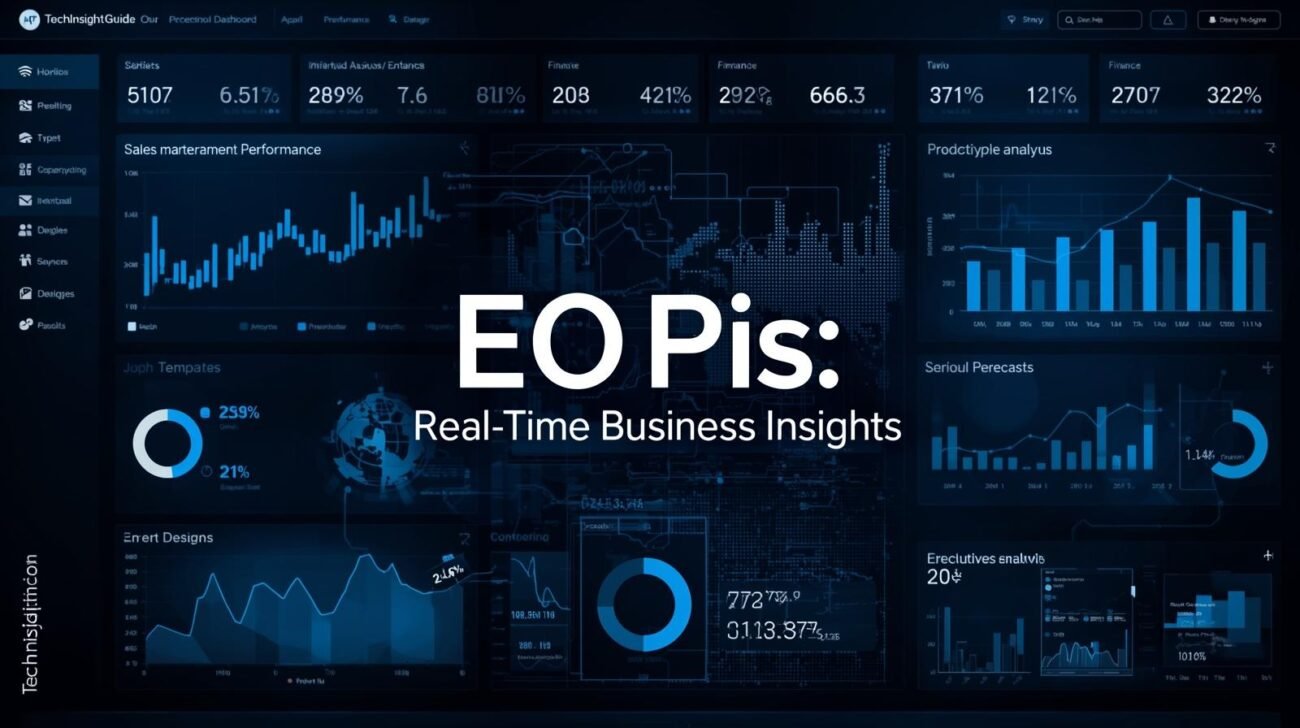
In today’s fast-paced business world, staying on top of performance metrics and aligning teams with strategic goals is more critical than ever. One term that’s been gaining attention is EO Pis (Executive Operations Performance Indicator System). But what exactly is it, and why should businesses care? EO Pis is a cutting-edge framework that unifies performance data across departments, helping leadership make informed decisions faster and more effectively. Whether you’re a seasoned executive or a new entrepreneur, understanding EO Pis can give you a competitive edge.
The term might sound complex, but its purpose is simple. EO Pis is designed to bridge the gap between strategic vision and operational execution. It offers a comprehensive view of a company’s performance in real-time. Unlike traditional key performance indicators (KPIs) that focus on siloed data, EO Pis integrates data from various departments, creating a holistic understanding of business operations. This system helps identify opportunities for improvement and supports faster decision-making.
In this article, we’ll break down everything you need to know about EO Pis, from its basic definition to its applications in various industries. We will also explore how it differs from traditional KPIs and why businesses should consider adopting it. Whether you are just learning about it or looking for ways to improve your existing systems, this guide is for you.
What is EO Pis? A Comprehensive Definition
EO Pis stands for Executive Operations Performance Indicator System. It’s an innovative system designed to measure, track, and analyze an organization’s performance in real-time across multiple functions. Unlike traditional KPIs that are often department-specific, EO Pis integrates data from all departments—sales, finance, operations, marketing, and more—providing executives with a unified view of their company’s performance.
The primary goal of EO Pis is to make strategic decision-making more efficient. By offering up-to-date performance data, it ensures that executives are working with the most relevant information at all times. This enables businesses to respond quickly to changes in the market or internal performance. With EO Pis, leadership teams are not left in the dark about how their operations are running, which helps prevent costly mistakes.
EO Pis also involves a robust system for tracking key metrics that align with the company’s overall strategy. These metrics, often called performance indicators, provide a snapshot of how the organization is doing and whether it’s on track to meet its goals. With a strong EO Pis system in place, executives can identify areas that need attention and make real-time adjustments to improve outcomes.
Why EO Pis is Gaining Popularity in Business
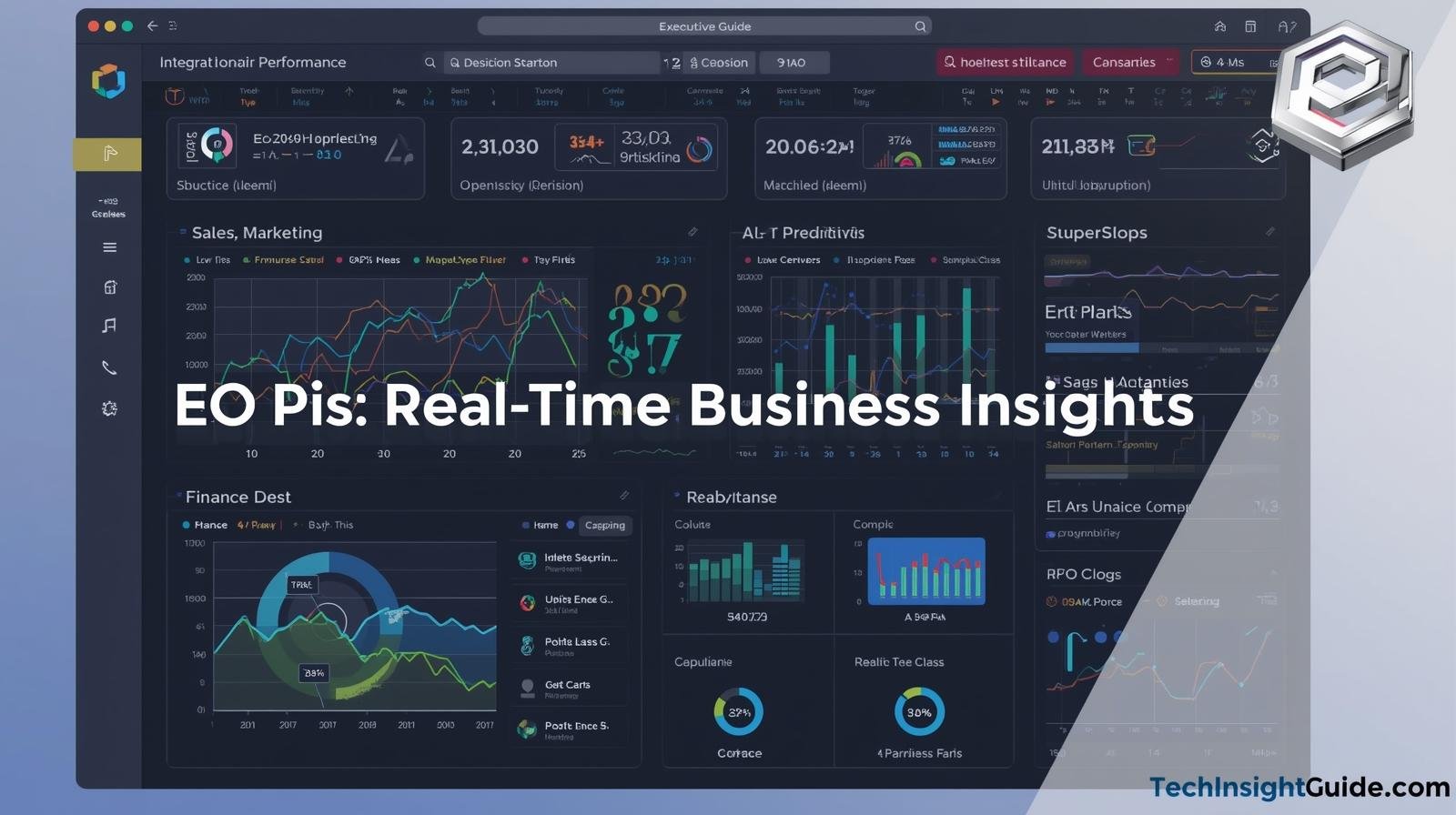
Businesses today face increasing pressure to stay agile and make fast decisions. EO Pis is rapidly becoming a popular solution because it offers a way for executives to get a comprehensive view of their organization’s performance in real-time. By breaking down data silos and providing a holistic perspective, EO Pis allows leadership to track everything from sales figures to customer satisfaction, operations efficiency, and more.
One of the main reasons EO Pis is gaining traction is its ability to integrate data from various platforms and departments. This means that all teams—from marketing and sales to operations and finance—are aligned, ensuring that every department is working toward the same goal. This unified approach to performance tracking makes it easier for executives to spot trends and identify issues before they become major problems.
Moreover, as businesses grow, the complexity of managing multiple teams and departments increases. EO Pis simplifies this complexity by offering a centralized platform where executives can view all important metrics in one place. This ease of access to data is critical for making informed decisions that impact the entire organization.
How Does EO Pis Work? The Inner Mechanics
At its core, EO Pis works by integrating data from all major departments within a company into a central dashboard. This dashboard displays key metrics that are critical to the company’s performance, allowing leaders to track progress against goals. The system pulls data from tools like customer relationship management (CRM) systems, enterprise resource planning (ERP) software, and financial reporting platforms, merging everything into one unified view.
The beauty of EO Pis lies in its ability to provide real-time updates. Traditional systems often rely on outdated data, which can lead to misinformed decisions. With EO Pis, executives get up-to-the-minute performance insights, ensuring they are always working with the most accurate and relevant information available. The dashboard updates automatically, giving leaders a continuous stream of insights without the need to manually input data.
EO Pis also includes a predictive analytics component that forecasts future trends based on current data. This predictive feature allows leaders to make proactive decisions rather than reactive ones. For example, if EO Pis indicates that sales are declining in a particular region, leaders can take action immediately, whether it’s launching a new marketing campaign or adjusting product offerings.
Key Features of an EO Pis System
EO Pis systems come with several features that make them valuable for businesses. First, there is the centralized dashboard, where executives can access all their key performance data in one place. This dashboard is often customizable, allowing users to tailor it to their specific needs and preferences. For instance, an executive might want to track sales figures, customer satisfaction, or employee performance—all of which can be displayed on a single dashboard.
Another key feature is data integration. EO Pis systems pull data from various sources, including CRM, ERP, marketing automation, and financial tools, to provide a holistic view of company performance. This is a significant improvement over traditional systems, where departments often work in silos and data is fragmented. By integrating data across systems, EO Pis helps ensure that all departments are on the same page.
Finally, EO Pis systems often come with automated reporting capabilities. Instead of spending hours manually compiling reports, executives can receive automated, up-to-date reports that highlight key insights. This saves time and allows leaders to focus on strategic decision-making rather than administrative tasks.
How EO Pis Improves Decision-Making
One of the most significant benefits of EO Pis is its ability to improve decision-making. With traditional KPIs, executives may rely on outdated or siloed data, which can lead to poor decisions. EO Pis changes this by providing real-time insights that are crucial for making informed decisions. With access to a unified dashboard, leaders can quickly see how each department is performing and whether it’s on track to meet the company’s goals.
Moreover, EO Pis can highlight trends and patterns that might not be immediately obvious through traditional reporting. For example, a sudden dip in customer satisfaction scores might not immediately be linked to a decline in product quality. However, EO Pis can cross-reference data from different departments (sales, customer service, etc.) to show the underlying cause of the issue, allowing executives to act faster.
EO Pis also enables businesses to be more agile. In fast-paced industries, things can change rapidly, and having real-time data allows companies to pivot quickly. For example, if a new competitor enters the market, EO Pis can track competitor performance and market share, giving executives the data they need to adapt their strategy.
EO Pis vs. Traditional KPIs: What’s the Difference?
While both EO Pis and traditional KPIs are used to track performance, they serve different purposes. Traditional KPIs often focus on specific, departmental goals, such as sales targets or production rates. They are usually set annually or quarterly and are often static, meaning that once they’re defined, they don’t change unless there is a major shift in strategy.
In contrast, EO Pis is a dynamic system that gives executives a real-time, cross-departmental view of performance. Instead of just focusing on one department, EO Pis integrates data from multiple areas—sales, marketing, operations, finance—giving a holistic view of the business. This real-time integration allows leadership to make decisions based on the most current data available.
EO Pis also has a predictive element that traditional KPIs lack. While KPIs track historical performance, EO Pis can forecast future trends based on current data, allowing businesses to be more proactive in their decision-making. For example, if EO Pis detects that a particular product is becoming less popular, leadership can adjust marketing efforts before sales dip significantly.
The Benefits of Implementing EO Pis
There are several key benefits to adopting an EO Pis system within a business. One of the most significant advantages is the increased visibility it provides into performance. With EO Pis, executives can see how every department is contributing to the company’s success. This visibility leads to better alignment and ensures that all teams are working toward the same strategic goals.
Another benefit is faster decision-making. Traditional systems can be slow to update, and executives may have to wait for reports or deal with outdated information. EO Pis eliminates this lag by offering real-time data and automated reporting, ensuring that leaders always have the most up-to-date information at their fingertips.
EO Pis also helps organizations be more agile. In today’s fast-paced business environment, being able to react quickly to changes is crucial. EO Pis provides real-time insights that allow companies to adjust their strategies and operations on the fly. Whether it’s a sudden market change or a new competitor entering the scene, EO Pis ensures that executives can make informed decisions swiftly.
Challenges of EO Pis Implementation
While the benefits of EO Pis are clear, implementing it within an organization can come with challenges. One of the biggest hurdles is the integration of data from various systems. Many companies have different tools and platforms for tracking sales, marketing, customer service, and finance, and integrating all of these into a single system can be time-consuming and costly.
Another challenge is ensuring data accuracy. EO Pis is only as good as the data it pulls, and if that data is inaccurate, the system’s insights will be misleading. Companies must invest time and resources into cleaning and validating their data to ensure that the EO Pis system can function effectively.
Finally, there’s the challenge of employee buy-in. Like any new system, EO Pis requires employees to adopt new ways of working and engaging with data. Some employees may resist change, especially if they’re comfortable with their current systems. Companies need to provide training and support to ensure smooth adoption and maximize the value of EO Pis.
Read More: The Latest FeedBuzzard Com: Your Go-To Platform for Trending Content
Conclusion: Is EO Pis Right for Your Business?
EO Pis offers businesses a powerful way to track performance, make faster decisions, and align teams with strategic goals. Its ability to integrate data from multiple departments, provide real-time insights, and predict future trends makes it an essential tool for executives in today’s fast-paced business world. However, implementing EO Pis comes with challenges, including data integration and employee buy-in.
If you’re looking to improve your decision-making processes and gain a more comprehensive view of your company’s performance, EO Pis could be the solution. However, it’s important to assess your organization’s readiness and invest in the necessary tools and resources to ensure a successful implementation. As businesses continue to evolve, adopting advanced systems like EO Pis will become increasingly important to stay competitive and efficient.
